

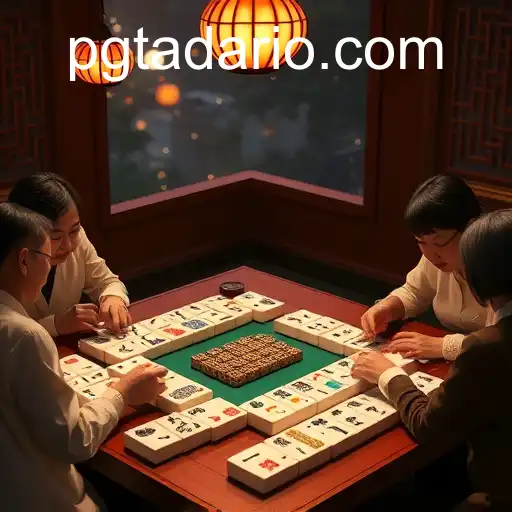
Understanding the Origins of Mahjong
Mahjong is a captivating game that has enthralled players across generations. Originating from China, it is a tile-based game usually played by four players. The game's origins date back to the 19th century, although its exact beginnings are somewhat shrouded in mystery. What remains clear is Mahjong's steadfast place in Chinese culture and its expanding influence globally.
The Basic Structure of the Game
Mahjong involves a complex interplay of skill, strategy, calculation, and some degree of chance. It is played using a set of 144 tiles based on Chinese characters and symbols, although regional variations may have a different number of tiles or rules. The primary aim is to form distinct sets of tiles, known as 'melds,' which include 'Pongs,' 'Chows,' and a 'Pair.' Winning a round requires a nuanced understanding of tile value and game flow.
The Role of PGTADA in Enhancing Mahjong's Appeal
Within the lively realm of Mahjong, the acronym PGTADA has emerged as a buzzword. PGTADA stands for 'Play, Gather, Talk, Adapt, Develop, and Aspire,' representing a contemporary movement aimed at making Mahjong more accessible and enjoyable. This initiative has sparked renewed interest in the game, particularly among younger generations.777 BR
Play: Engaging New Audiences
One of the core principles of PGTADA is promoting active participation. By simplifying gameplay mechanics and educating new players, PGTADA helps dismantle the perceived complexity of Mahjong. This approach encourages more people to engage with the game, discovering its intricate strategies and communal joy.838X
Gather: Building Community Through Mahjong
At the heart of Mahjong is its ability to bring people together. PGTADA places emphasis on community by organizing events, tournaments, and interactive sessions that foster camaraderie among players. This communal aspect enhances the game's social appeal, making it a popular choice for family gatherings and social meetups.
Talk: Encouraging Conversations
Discussion and dialogue are integral components of the PGTADA movement. By creating forums and platforms for discussion, PGTADA encourages players to share their experiences, strategies, and insights, enhancing the collective understanding of the game. This exchange of information helps demystify Mahjong, particularly for new players eager to learn.
Adapt: Embracing Modernity
PGTADA also emphasizes the importance of adaptation. As technology evolves, so does Mahjong. Online platforms and mobile apps have emerged, allowing enthusiasts to play the game without traditional physical sets. This accessibility ensures Mahjong remains relevant in the digital age, reaching a broader audience.
Develop: Personal Growth Through Mahjong
Mahjong is more than just a game; it's an opportunity for personal development. PGTADA encourages players to view Mahjong as a tool for enhancing cognitive abilities, improving memory, and honing strategic thinking skills. This focus on self-improvement aligns with broader trends in gaming, where personal and intellectual growth are equally valued.
Aspire: Inspiring the Next Generation
The final pillar of PGTADA is aspiration. By showcasing the achievements and potential of expert players, this movement inspires newcomers to pursue mastery in Mahjong. It highlights the game's depth and competitive edge, encouraging players to aspire toward excellence in their Mahjong journey.
The Cultural Impact of Mahjong
Mahjong holds significant cultural weight, particularly in China and Asia at large. It is often associated with tradition and family, playing a key role in festivals and celebrations. Beyond its entertainment value, Mahjong serves as a bridge between generations, preserving cultural heritage through gameplay.775 bet
Global Expansion and Recognition
While Mahjong's roots are deeply embedded in Chinese culture, its global reach continues to expand. The game has garnered international popularity, particularly in regions such as Japan, the United States, and Europe, each adding slight variations and nuances to the original rules. Mahjong clubs, international tournaments, and online communities have sprouted worldwide, providing platforms for enthusiasts to celebrate the game on a global scale.
Conclusion: Mahjong in Current Times
Today, Mahjong remains a profound symbol of both cultural tradition and modern adaptability. The PGTADA movement exemplifies how traditional games can be revitalized through strategic modernization, ensuring they remain relevant and engaging for future generations. As Mahjong continues its cultural journey, it invites both seasoned players and newcomers to partake in its rich tapestry of history, strategy, and communal spirit.BRLBET
S29